Seasons and weather · Mississippi Gulf Coast
soundThe coast through the year
Winters are short and mild, summers long and hot. In between come the spring migration, the savanna flowers and an autumn that many people think is the coast at its best.
The Mississippi coast does not have four seasons so much as one long summer with a short, changeable winter wrapped around it. That is a simplification, and the coast is more interesting than that. Each part of the year brings different birds, different light on the marsh, different fish and a different mood in the towns. Here is how the year usually runs, and what each part of it is good for.
Winter: short, mild and changeable
From December to February the coast is quiet and the light is clear. Many days are mild enough for a walk on the beach in a sweater, but cold fronts arrive every week or so, and the day after one passes can be bright, windy and properly cold. A hard freeze happens in some winters and not in others. Fog is common on still mornings when warm air drifts over cool water.
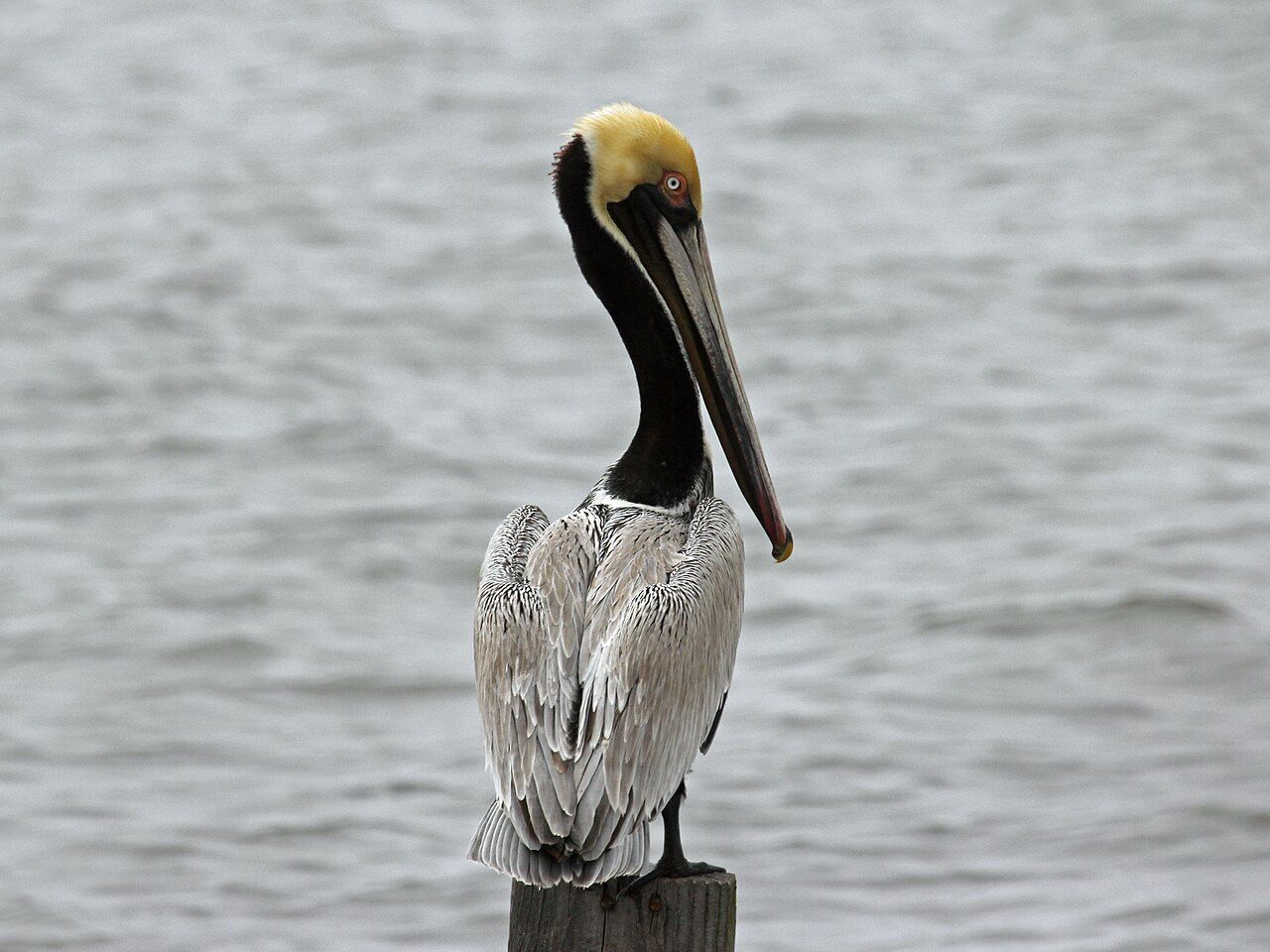
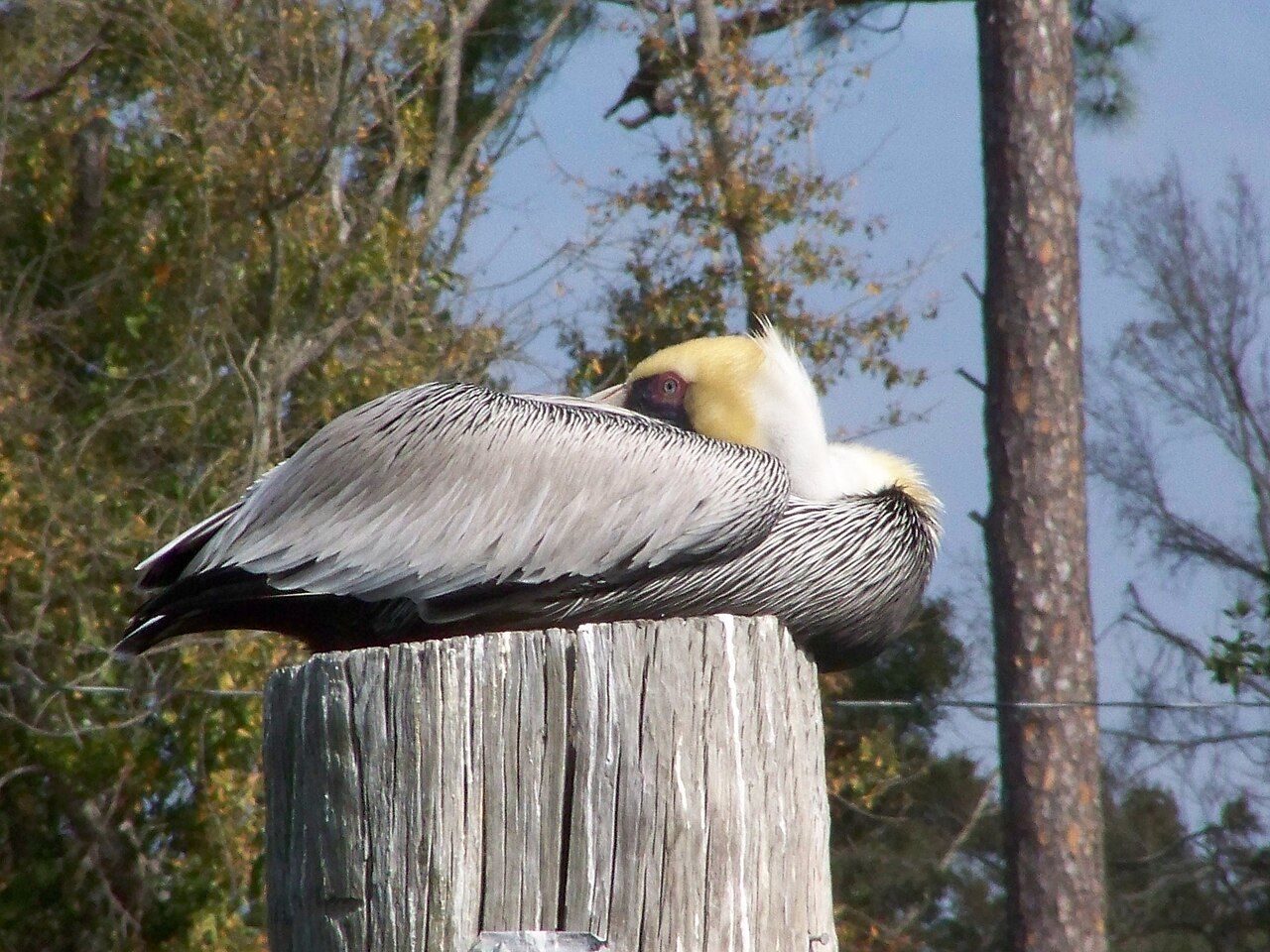
Winter is a good season for birds. Ducks gather in the bays and marshes, American white pelicans join the brown pelicans in places, and loons, grebes and other diving birds spend the cold months in the sound. The marsh grass turns gold and brown, and with the leaves off the swamp trees you can see much deeper into the woods along the rivers. Biting insects are few. It is a fine time to walk the trails at Davis Bayou or in the marshes around Grand Bay.

Spring: flowers and migrants
Spring arrives early. Azaleas bloom along old streets in the coast towns in March, and the live oaks shed and renew their leaves almost at once. Out in the wet pine savannas, pitcher plants and other bog flowers bloom from spring into summer, and the open, grassy landscape that supports the rare Mississippi sandhill crane is at its most colourful.
April is the big month for migrating songbirds. Birds that have flown across the Gulf of Mexico from the south arrive tired and hungry, and when a front with north wind or rain meets them over the water, they drop into the first trees they reach: the woods on the barrier islands and the coastal parks. Warblers, tanagers, buntings and orioles can fill a single oak. Our guide to the birds of the coast has more on where to look.
Spring weather is mostly pleasant, but it is also the season of strong thunderstorms with fronts. The Gulf is still cool for swimming in early spring and warms through May.
Further down the waterBirds of the Mississippi coastSummer: heat, storms and long evenings
From June to September the coast is hot and humid almost every day. Mornings are the best time for walking, paddling or fishing. By early afternoon clouds build over the land, and many days bring a short, heavy thunderstorm with lightning. Get off the water and the beach when you hear thunder. Wear a hat, drink often and plan to rest in the middle of the day.
Summer is also the season of shrimp boats working the sound, of crabbing from public piers in the evening, and of the warm water that makes the beaches popular. Watch for jellyfish in the water in some weeks, and for rip currents, which are most dangerous near piers and after storms offshore. Mosquitoes and biting flies are at their worst in the marshes in the warm months, so carry repellent.
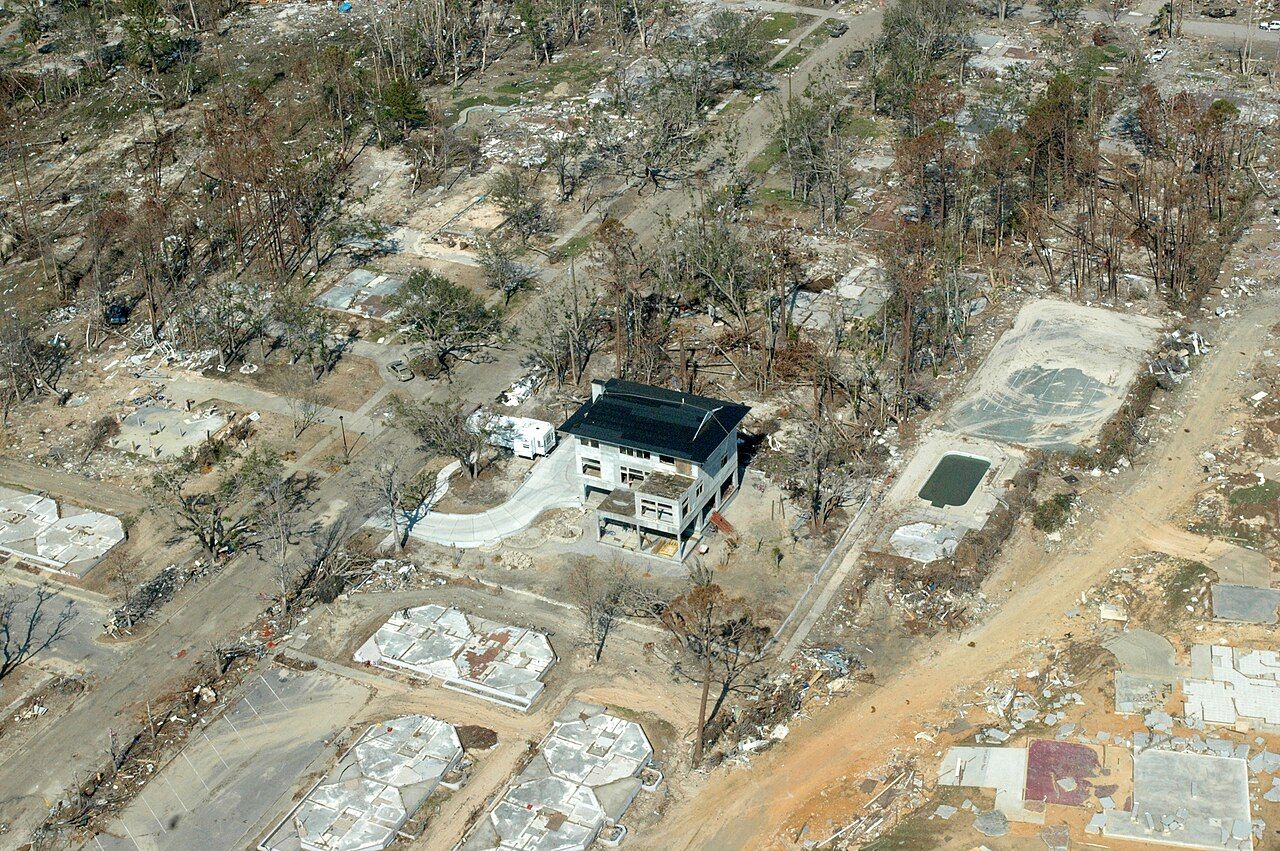
This is also hurricane season, which runs from June to the end of November. Most summers no storm reaches this coast, but you should know the basics before you come. Read our plain guide to hurricane season and keep an eye on the forecast.

Autumn: the long good season
September is still summer in all but name, and it falls in the busiest part of hurricane season. The change usually comes in October, when the first real fronts bring drier air, cooler nights and clear blue days. For many people who know the coast, October and November are the best months of the year.
Autumn is fishing season in the marshes. As the water cools, redfish and speckled trout move and feed hard, and the bayous and grass edges come alive. Autumn migration brings hawks, hummingbirds and songbirds moving south along the shore, and the first ducks return to the bays. The marsh grass turns color slowly. On the rivers, low water in a dry autumn exposes wide white sandbars, which makes for good paddling and quiet camping where it is allowed.
Picking your month
There is no wrong time to visit, only different trips. A rough guide:
- For birds: April for songbird migration; October and November for the fall movement; winter for ducks and pelicans.
- For the beach and swimming: late May to September, with early mornings and evenings the most comfortable.
- For fishing: autumn in the marshes, though something is biting in every month.
- For walking and paddling: October to April, when the heat and insects ease.
Whenever you come, check the weather the day before, carry water, and remember that wind and storms decide what is possible on the sound and the islands. The coast rewards people who are willing to change plans around the sky.