Bayous and marshes · Grand Bay
marshGrand Bay, where the marsh meets the pines
At the eastern edge of the Mississippi coast, salt marsh, bayous and wet pine savanna meet in one of the least developed stretches of shore on the northern Gulf.
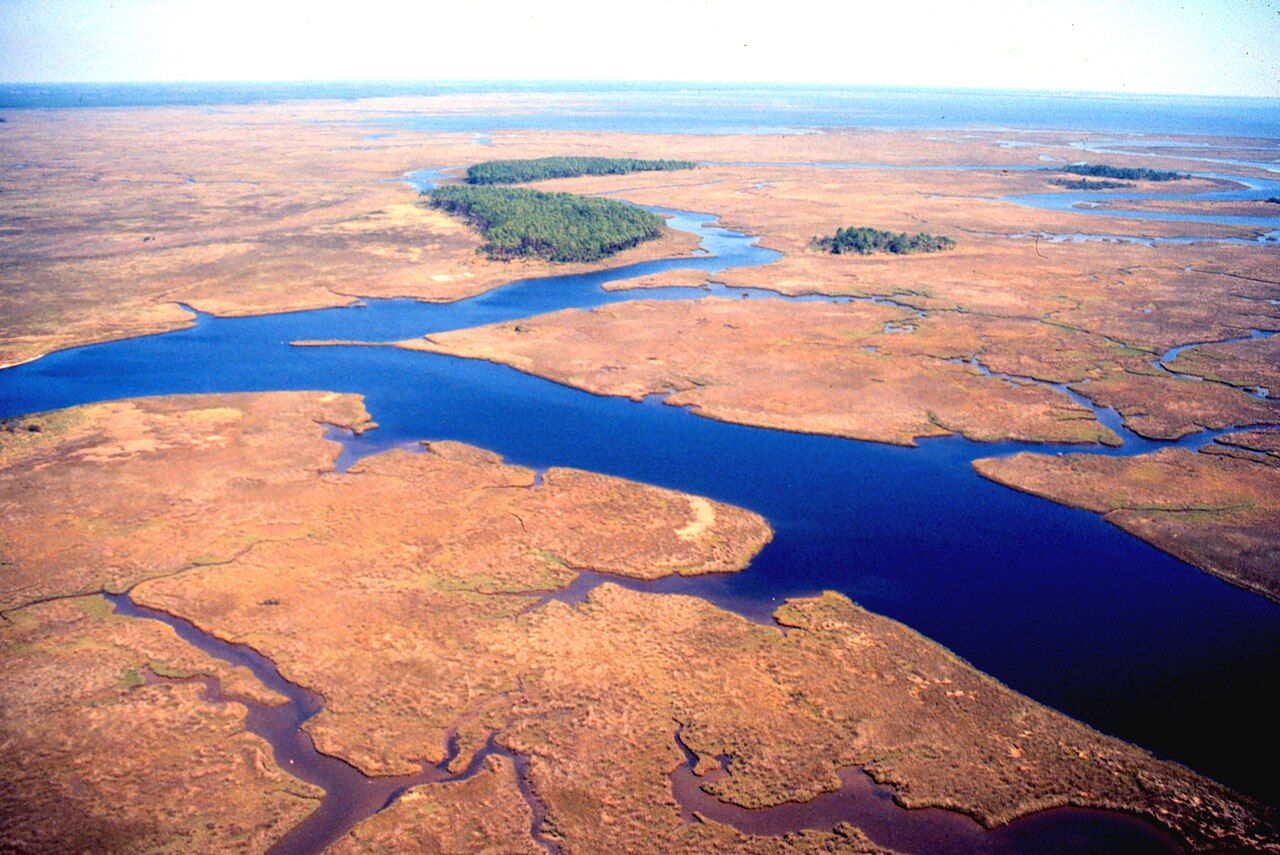
Drive east from Pascagoula toward the Alabama line and the houses thin out. South of the highway, the land drops away into a wide spread of marsh, bayous and pine islands that runs to the Mississippi Sound. This is Grand Bay, one of the largest stretches of undeveloped coastal land left on the Mississippi shore.
It is not a place of dramatic views. It is a place of long horizons, slow water and grasses moving in the wind, and it repays patience. This guide explains what is protected here, what you will see, and how to visit.
A reserve and a refuge
Two public areas protect the land around Grand Bay. The Grand Bay National Estuarine Research Reserve is part of a national network of reserves that study and protect estuaries, the places where rivers and the sea mix. In Mississippi it is managed by the state in partnership with the federal government. Alongside it lies the Grand Bay National Wildlife Refuge, which extends across the state line into Alabama.
Together they protect salt marsh, tidal bayous, wet pine savanna and coastal forest. Scientists use the reserve to study water quality, marsh erosion, sea-level rise and fisheries, and a lot of what is known about how Gulf Coast marshes are changing comes from long-term work in places like this.

People have used this shore for a very long time. Native peoples gathered oysters and clams here and left shell middens along the bayous, some of them still visible as low, shell-covered rises among the marsh. Later came fishermen, trappers and small communities along the bay's western edge, where families still launch boats and set crab traps. The protected land sits beside a working coast, and that mix is part of its character.
The reserve also runs education programs and has a center with exhibits and a short trail.
Salt marsh and bayous
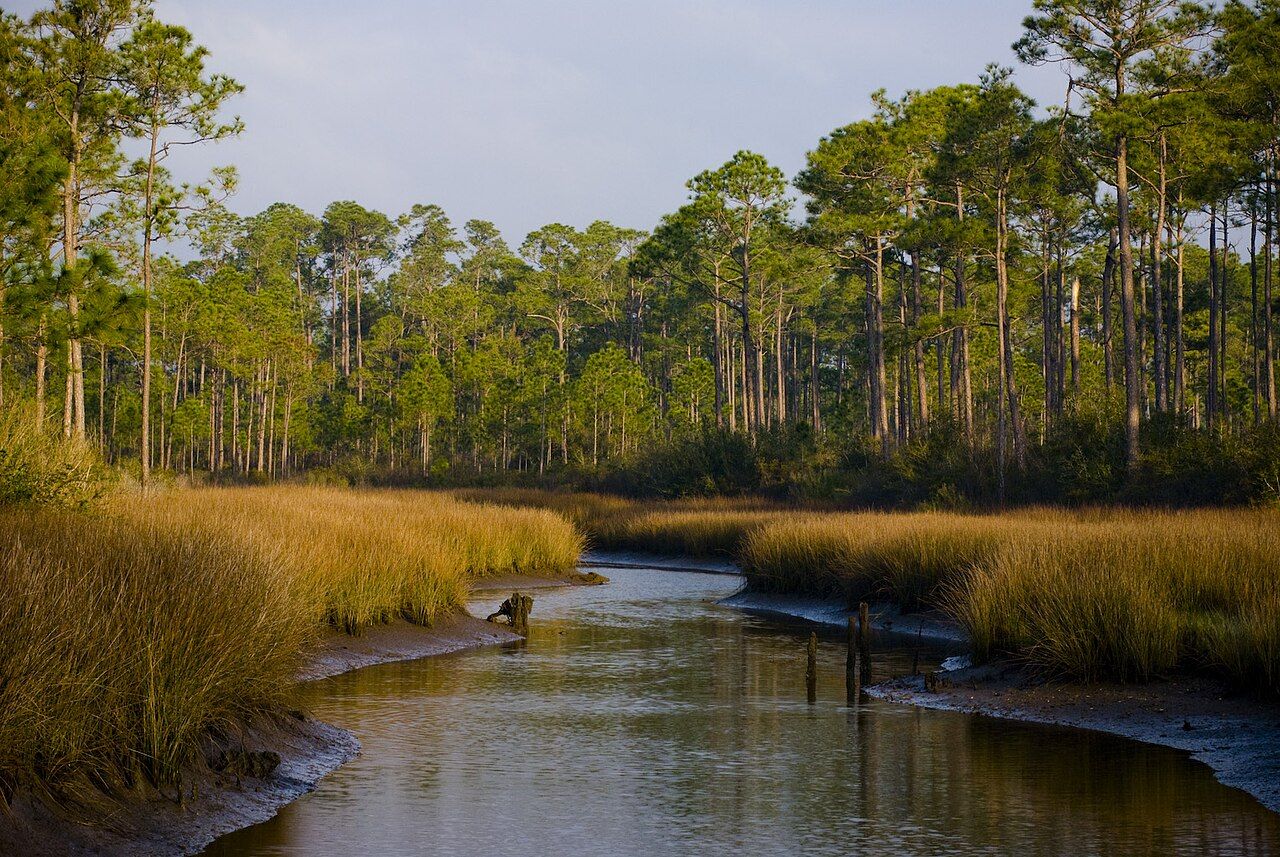
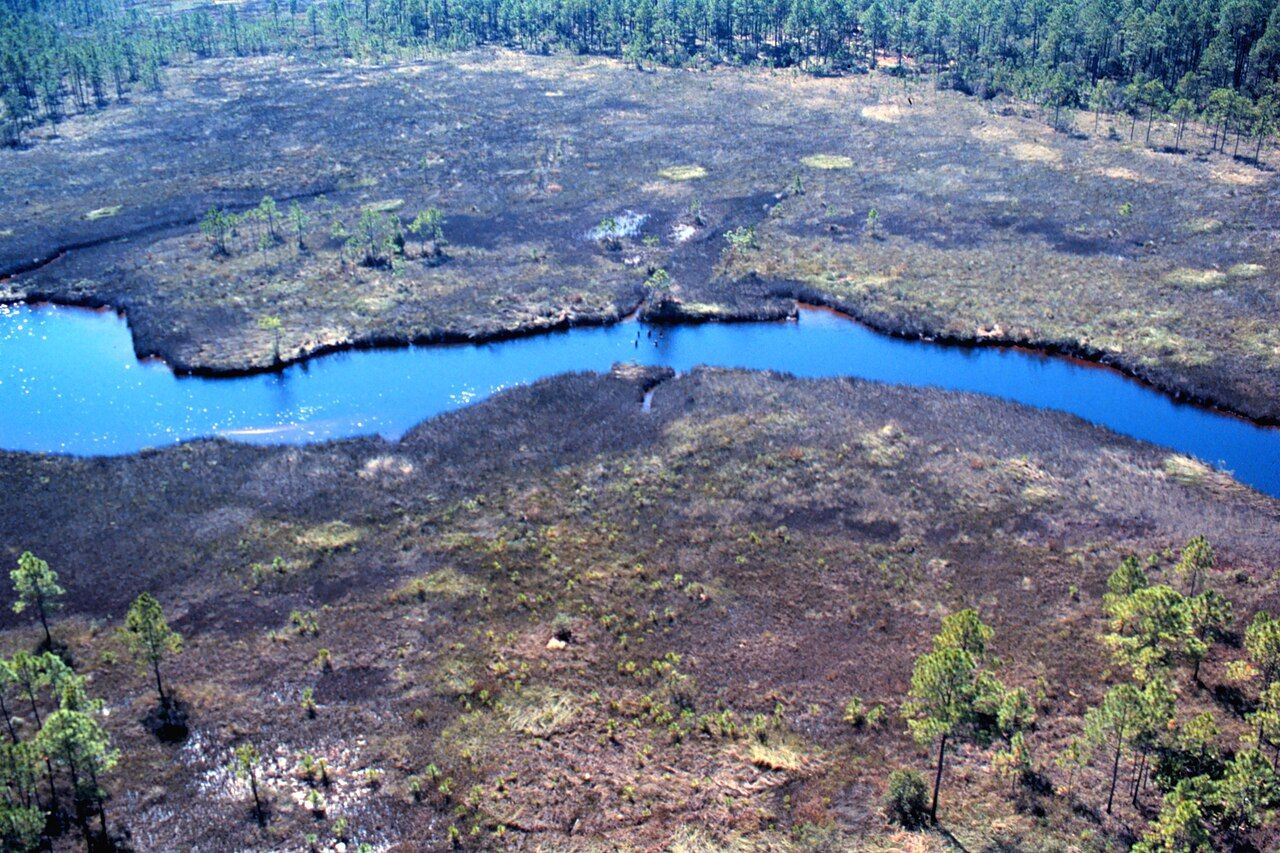
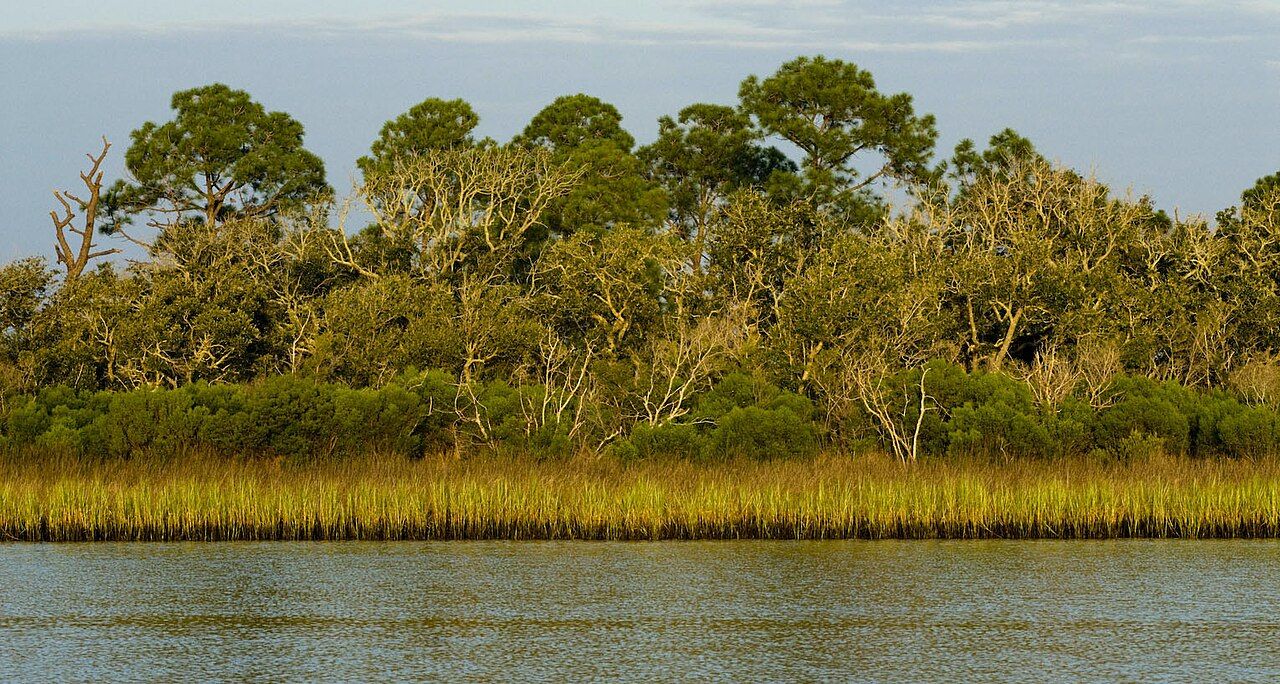
The marsh is the heart of Grand Bay. Most of it is needlerush, a dark, stiff grass that grows in dense stands and turns grey-brown in winter, with lighter cordgrass along the water's edge. Bayous wind through it, twisting back on themselves, and their names, Bayou Heron, Bayou Cumbest and others, are the landmarks people use.
The marsh does real work. It filters water running off the land, softens storm surge before it reaches houses further inland, and serves as a nursery for shrimp, crabs and many of the fish people catch in the sound. Young fish shelter among the grass stems, and herons, egrets and ospreys come to feed on them.

The marsh does real work.
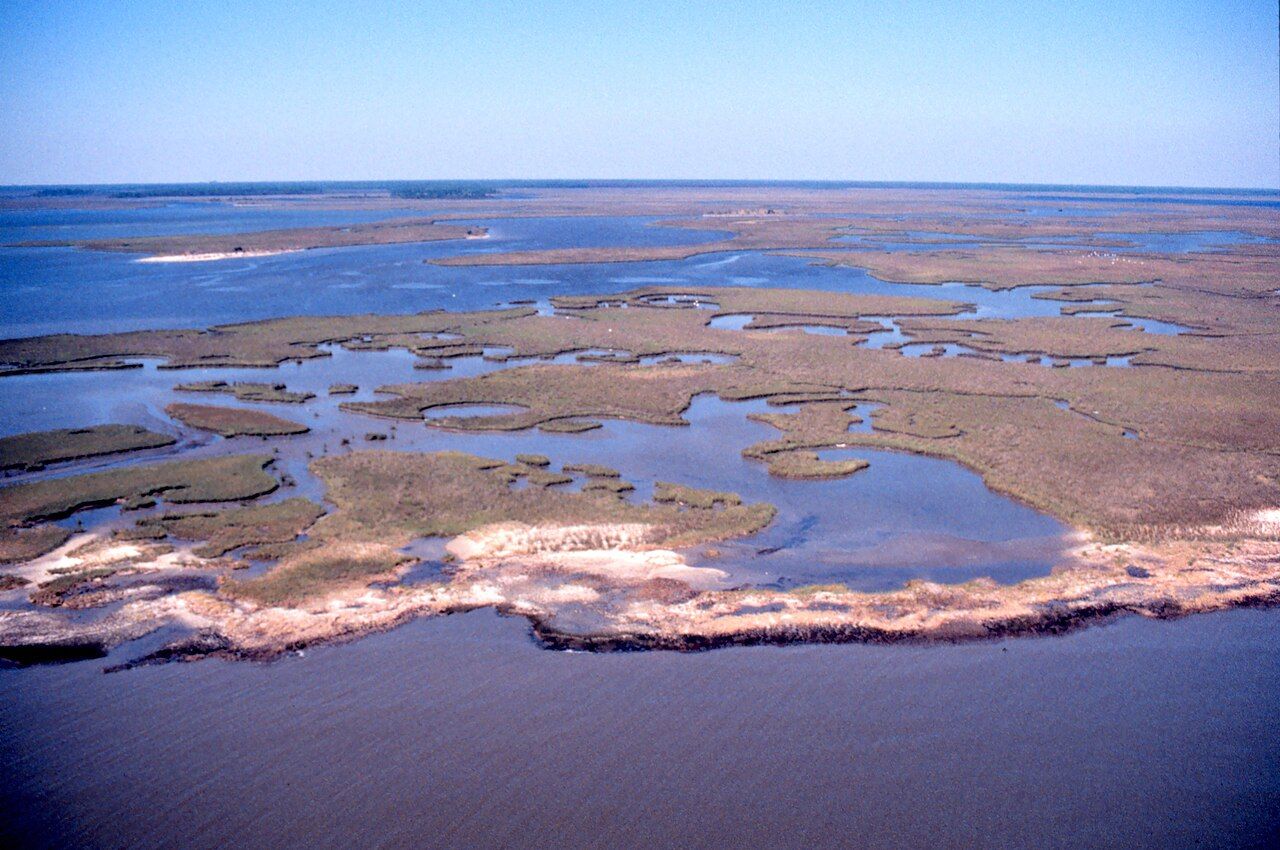
The marsh is also losing ground. Along the open shore you can see where waves have cut away the edge, leaving low banks of peat and dead roots. Rising water and storms both play a part. The reserve's research is partly about understanding how fast this is happening and what might slow it.
Further down the waterLiving on the bayouWet pine savanna
Inland from the marsh, the land rises a few feet and the landscape changes completely. Here is wet pine savanna: open, grassy ground with scattered longleaf and slash pines, damp for much of the year and full of wildflowers. It is one of the most plant-rich habitats in North America, and much of it has been lost elsewhere on the coast to drainage, pine plantations and development.
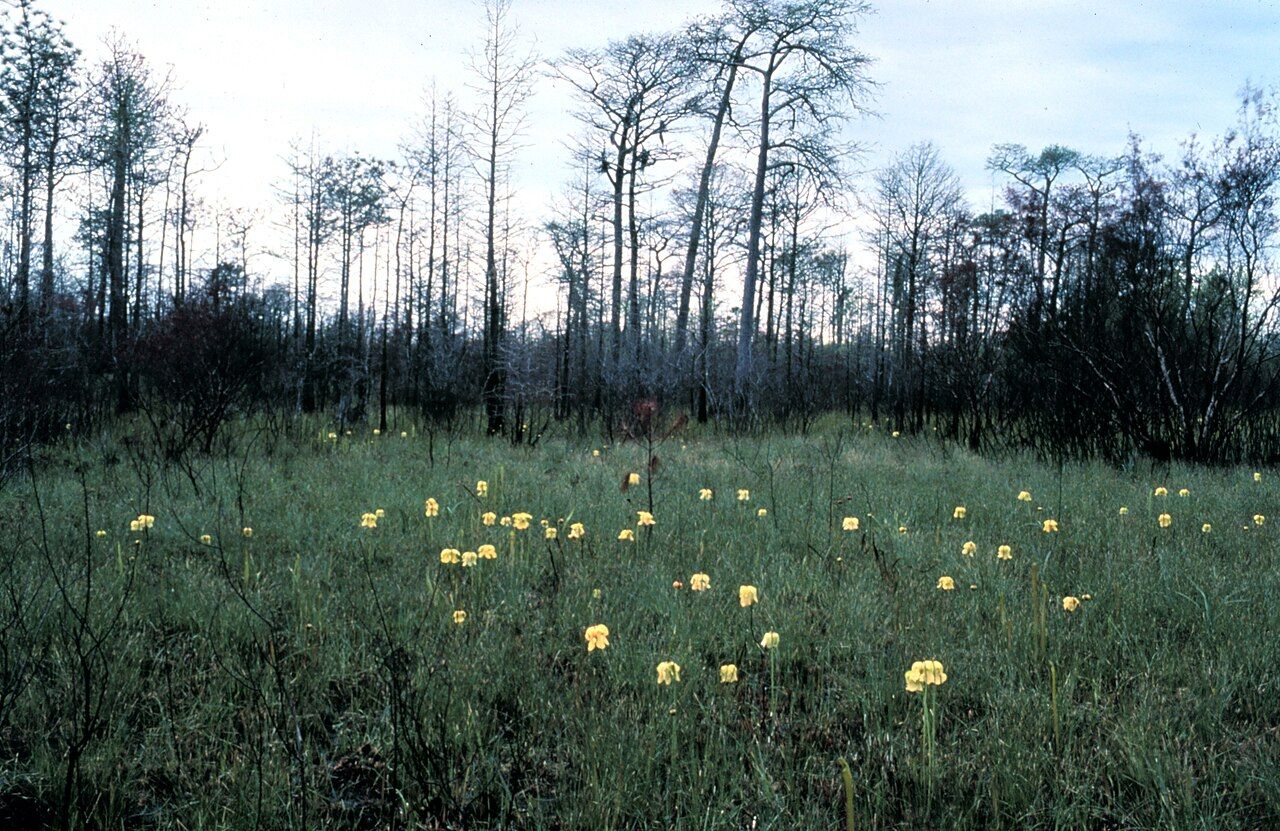

Look closely and you will find carnivorous plants: pitcher plants with tall, tubular leaves that trap insects, and small sundews that catch them with sticky hairs. Orchids, meadow beauties and many grasses grow among them. Spring brings the most flowers, but something blooms in most months.
The savanna depends on fire. Without regular burning, shrubs and young trees close in and shade out the grasses and flowers. Land managers use prescribed burns to keep it open, so you may see blackened patches or smoke on the horizon. Burned areas green up quickly, often within weeks.

The same habitat is home to the rare cranes of the refuge near Gautier, described in the guide to the Mississippi sandhill crane.
Birds and other wildlife
Grand Bay is good birding country at any time of year. In winter the marsh fills with ducks, and northern harriers glide low over the grass. Spring and autumn bring migrant songbirds along the coastal forest edge, especially after a passing front. Clapper rails call from the marsh, seaside sparrows live in the needlerush, and ospreys nest on snags and platforms. The guide to birds of the Mississippi coast has more on what to look for.

Alligators live in the fresher water at the marsh's inland edge, and diamondback terrapins, a turtle of brackish marshes, live in the bayous. Mink, river otters and raccoons hunt along the creek banks, though you are more likely to see their tracks in the mud than the animals themselves.
Visiting Grand Bay
Several public roads cross the area and lead to trailheads, boardwalks and boat launches. Trails run through savanna and pine woods, and boardwalks reach out over the marsh edge. Maps are available from the reserve and the refuge; check which trails are open, as storms and burning sometimes close them.
The marsh is best seen from a small boat. Paddling the bayous at a slow pace brings you close to birds and lets you follow the channels into quieter water. The bayous branch and twist, so carry a map and note your route. The guide to paddling the rivers has general advice.
- Wind: on open water, wind is the main hazard. Paddle in the morning, before the afternoon breeze builds, and stay in the sheltered bayous on windy days.
- Insects: mosquitoes, deer flies and biting midges can be intense. Cooler months are far more comfortable.
- Heat and sun: there is little shade on the marsh. Carry water and protect yourself from the sun.
- Hunting: parts of the area are open to hunting in season. Check dates and wear bright colors in autumn and winter.
Each season changes the place. Winter brings clear, cool days, long views across the brown marsh and the best birding for ducks and hawks. Spring turns the savanna green and fills it with flowers, while migrant birds pass through. Summer is hot, humid and buggy, but early mornings can be beautiful. Autumn brings migrants back south and the first cool fronts, which drain water from the marsh and draw wading birds to the flats.
Grand Bay asks for slow travel. Walk a trail early in the morning, sit on a boardwalk and watch the tide creep through the grass, and you will see why people work to keep this edge of the coast wild.