On the water · Mississippi Gulf Coast
soundShrimp, oysters and the coast table
The coast's food comes off the boats: Gulf shrimp, blue crab and oysters, cooked into gumbo, piled on po'boys or boiled with spice and corn and spread on newspaper.
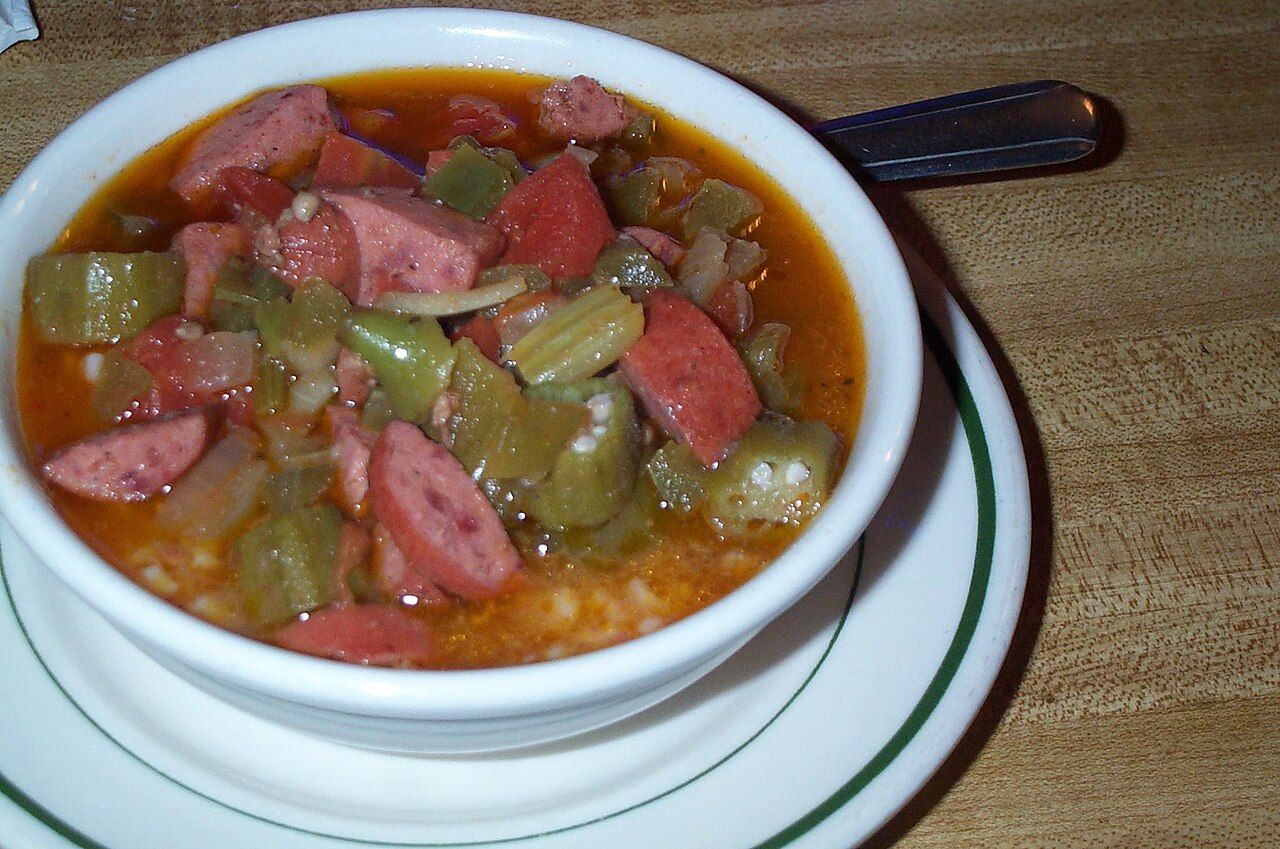
On the Mississippi coast, food and work have always come off the same boats. The trawlers that drag the sound for shrimp, the crab traps in the bayous and the oyster reefs offshore built Biloxi and its neighbors, and they still feed the coast's kitchens. You can eat well here without ever learning the history, but the history makes the plate taste better. This guide covers the main seafood, the traditions around it, and a few dishes worth knowing by name.
Shrimp and the season
Gulf shrimp are the heart of the coast's seafood. Several kinds are caught here, mainly brown shrimp and white shrimp, and each has its own season in the sound. The state sets the opening dates each year based on the size of the shrimp, usually with brown shrimp opening in early summer and white shrimp later in summer and into autumn. Opening day brings boats out early in force.
The shrimp boats are easy to recognise: wooden or steel hulls with tall outriggers that swing out to tow the nets on each side. Since the late twentieth century, the nets have carried devices that let sea turtles escape. Many fishing families on the coast have worked these boats for generations, including families who came from the Dalmatian coast, Cajun families from Louisiana, and Vietnamese families who settled on the coast from the late 1970s.
In season you can often buy fresh shrimp at harbors and docks, sold by the pound with the heads on. Ask how it was caught and when. Keep it on ice and cook it the same day if you can.
The Blessing of the Fleet
Every spring, Biloxi holds a Blessing of the Fleet, a tradition the town has kept for many decades. Boats are cleaned and decorated with flags, a priest blesses them as they pass, and a wreath is laid on the water for those lost at sea. Other coast towns hold their own blessings. It is a working community's celebration, and the right way to watch is quietly from the shore.
To understand the boats, visit Biloxi's maritime and seafood museum, which tells the story of the canneries, the schooners and the families. Our guide to Biloxi covers the town, its harbor and its schooners.
Oysters
For much of the twentieth century, Biloxi was one of the great oyster towns of the Gulf. Schooners dredged the reefs in the cool months, canneries opened and canned them by the thousand cans, and the shell piles grew along the waterfront. The reefs of the western Mississippi Sound have had hard years since: storms, floods of fresh water and other pressures have hurt them, and harvests have often been small, short or closed while the state rebuilds the reefs.
When local oysters are in season, they are eaten raw on the half shell, fried, baked, or in stews and dressings. Many oysters served on the coast come from other parts of the Gulf. Eating raw shellfish carries a risk from bacteria, especially in warm months and for people with weak immune systems, liver disease or diabetes; if that applies to you, eat them cooked.
Further down the waterFishing and crabbing on the coastGumbo, po'boys and the boil
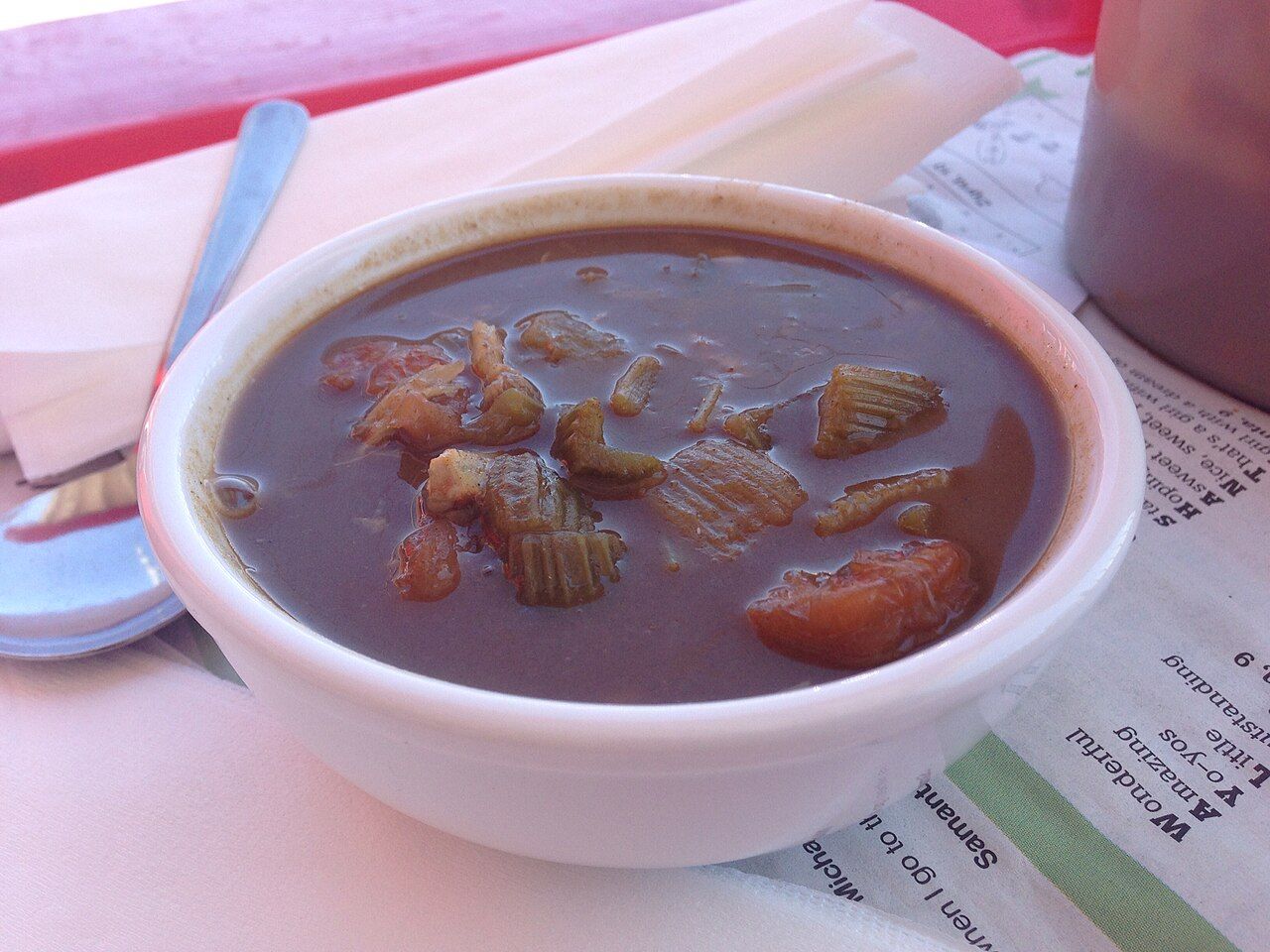
Gumbo is the coast's great dish. It starts with a roux, flour cooked slowly in oil until it turns from blond to brown, then adds onion, celery and bell pepper, stock, and whatever the cook has: shrimp, crab, oysters, sausage, chicken. Okra or filé, a powder made from dried sassafras leaves, thickens it. It is served over rice, and every family has its own version and strong opinions about it.
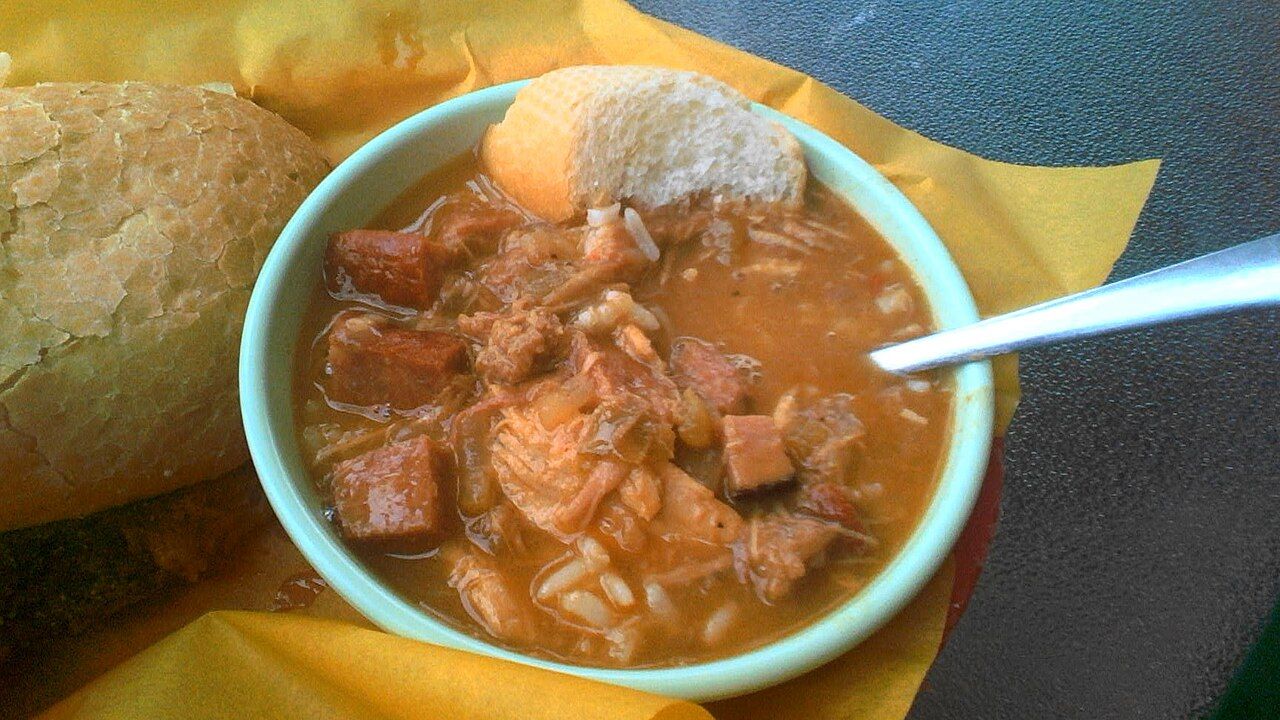

The po'boy is a long sandwich on light, crusty French bread, filled with fried shrimp or oysters, sometimes soft-shell crab, and dressed with lettuce, tomato, pickles and sauce. Fried seafood plates, with hushpuppies and slaw, are everywhere along the beach.
A seafood boil is a gathering rather than a dish. Shrimp or crabs boil in a big pot of water spiced with cayenne, salt and lemon, with potatoes, corn and sometimes sausage. The cook drains the pot and spreads everything on a table covered in newspaper, and everyone peels and eats with their hands. In crawfish season in spring, the same idea moves inland to crawfish, though those come from freshwater, not the sound.
Blue crab turns up in gumbo, crab cakes, stuffed crab and crab claws, and soft-shell crabs, caught just after they shed their shells, are fried whole in late spring and summer. Crabbing yourself is easy; our guide to fishing and crabbing explains how.

Eating well and sustainably
Ask for Gulf seafood, and ask where it came from; a lot of shrimp sold in the United States is imported. Choose dishes made with what is in season. If you buy at the dock, bring a cooler with ice, and keep seafood cold all the way home.
The coast's fishing life has been hit hard by hurricanes, oil spills and the floods of fresh water from the big river to the west, and each time the boats have gone back out. Eating local seafood is one way to keep that life going. Our story on hurricane season tells more about what the storms meant for the coast.
Wherever you eat, the simplest rule is a good one: the closer to the boat, the better the food.